Inside the minds of extremists: Counterterror experts warn antisemitism driving wave of radicalism (Interview)
Noor Dahri also understood “many lone actors appear to be motivated by a mix of ideology and the desire for recognition. “Some are strongly ideological, while others appear driven more by personal grievances, identity struggles, or the visibility that social media can provide.
“Ideology may give their actions meaning or justification, but the pursuit of attention and significance can be just as influential,” Dahri explained, pointing to factors such as isolation, identity crises, and personal grievances as key factors in identifying individuals at risk of radicalization. Dahri agreed that, to some extent, there has always been a degree of mixing among radical groups that seemingly hold ideologically opposing views.
Dahri has previously spoken with the Post about his own journey of deradicalization as a former member of Lashkar-e-Taiba (LeT), the same group that committed the Mumbai Chabad attack in 2008, in addition to several attacks on India and the Kashmir region.
Interview Conducted by: Danielle Greyman-Kennard (Published at The Jerusalem Post)
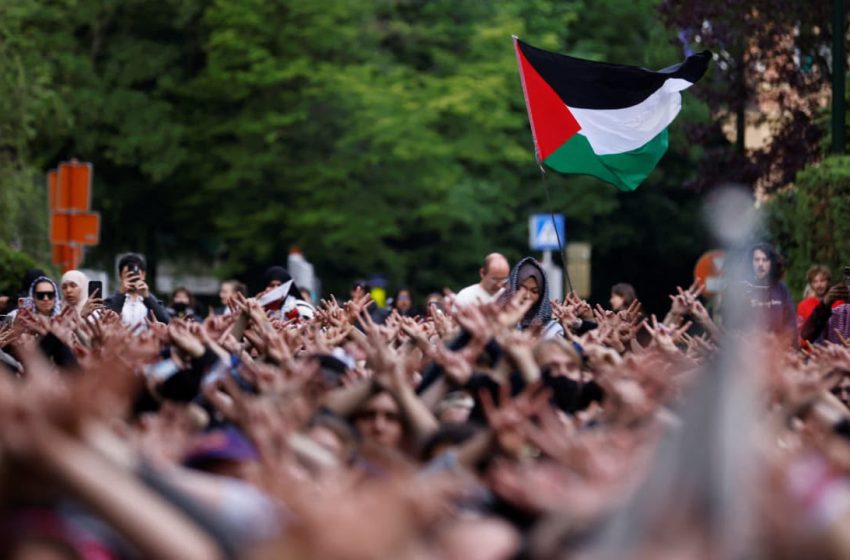
Image credit: (Reuters/Tom Nicholson)